Sewing base
1/ Before you start
- The richness of the character you want to play
- Its geographical origin
In addition, other more practical criteria need to be taken into account:
- What protection will you wear underneath?
- Given that most meetings take place in summer, do you want to focus on comfort, aesthetics or historicity?
2/ The subject
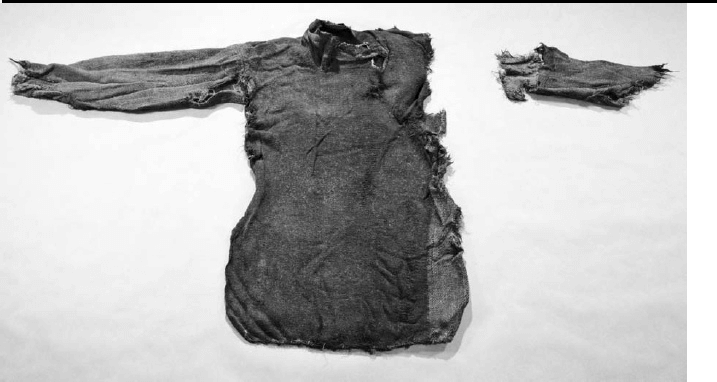
The fabric most historically compatible with a warrior's outfit is wool. If you're not used to it, it may itch a little at first, but as it's a breathable fabric, it's perfectly suited to combat in summer or winter. Pure wool is, however, rather difficult to find and relatively expensive.
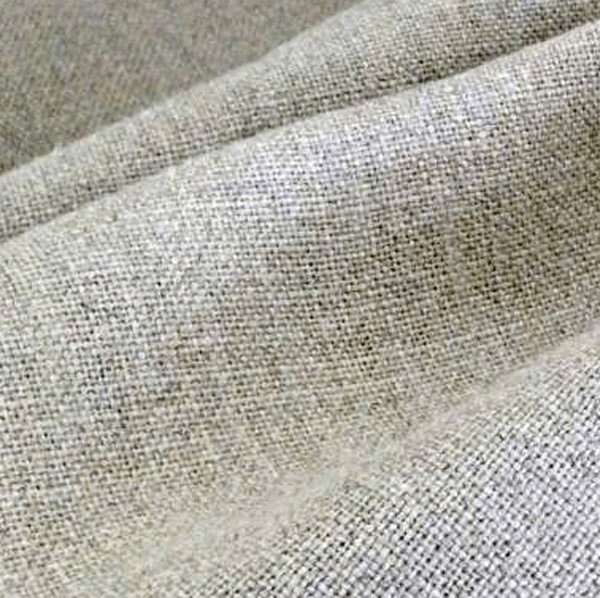
Flax :
This fabric is entirely compatible with the period in question. However, our hypothesis, supported by experimentation, is that it was an expensive fabric reserved for more noble uses than wool. For example, a comfortable tunic. Choose it only if your character is rich. Furthermore, tests have shown that while wool provides significant protection against cuts, this is much less true of linen. As a result, they do not protect Herja from gashes.
Paradoxically, this fabric is much cheaper than wool today and is very easy to find in most fabric shops.
3/ The colour
The Scandinavian and Russian peoples loved colour but pigments were expensive and limited in their colour ranges. Again, it depends on your wealth.
To simplify, we can say that :
- Green, red and blue are signs of wealth.
- Yellow, pink and lie de vin are slightly less expensive.
- Ecru and natural colours are the cheapest.
- Brown was almost non-existent as a dye, but some garments were made of wool from brown sheep.
In all cases, and if possible, don't use colours that are too bright unless your character is a great Scandinavian prince. The more saturated the colour, the more expensive the fabric.
4/ Weaving
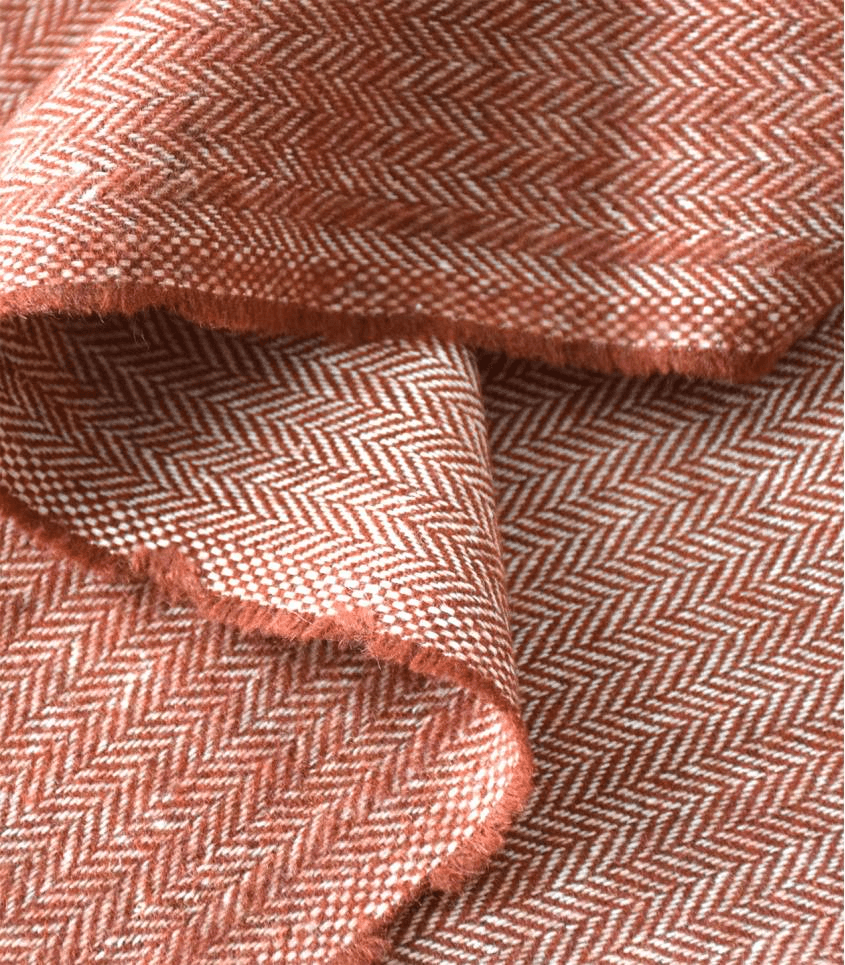
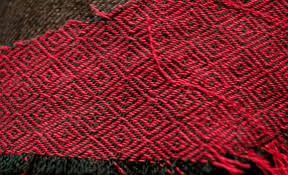
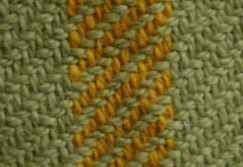
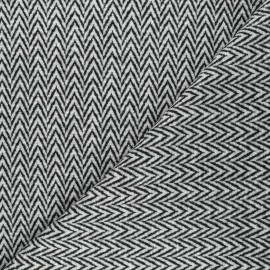
It is safer to use simple weaves with no pattern. Some twill weaves were present during the Viking period, however, such as diamanté (very difficult to find), twill and chevron (a little more common in modern shops but relatively rare in the year 1000).
5/ Sewing base
Taking measurements :
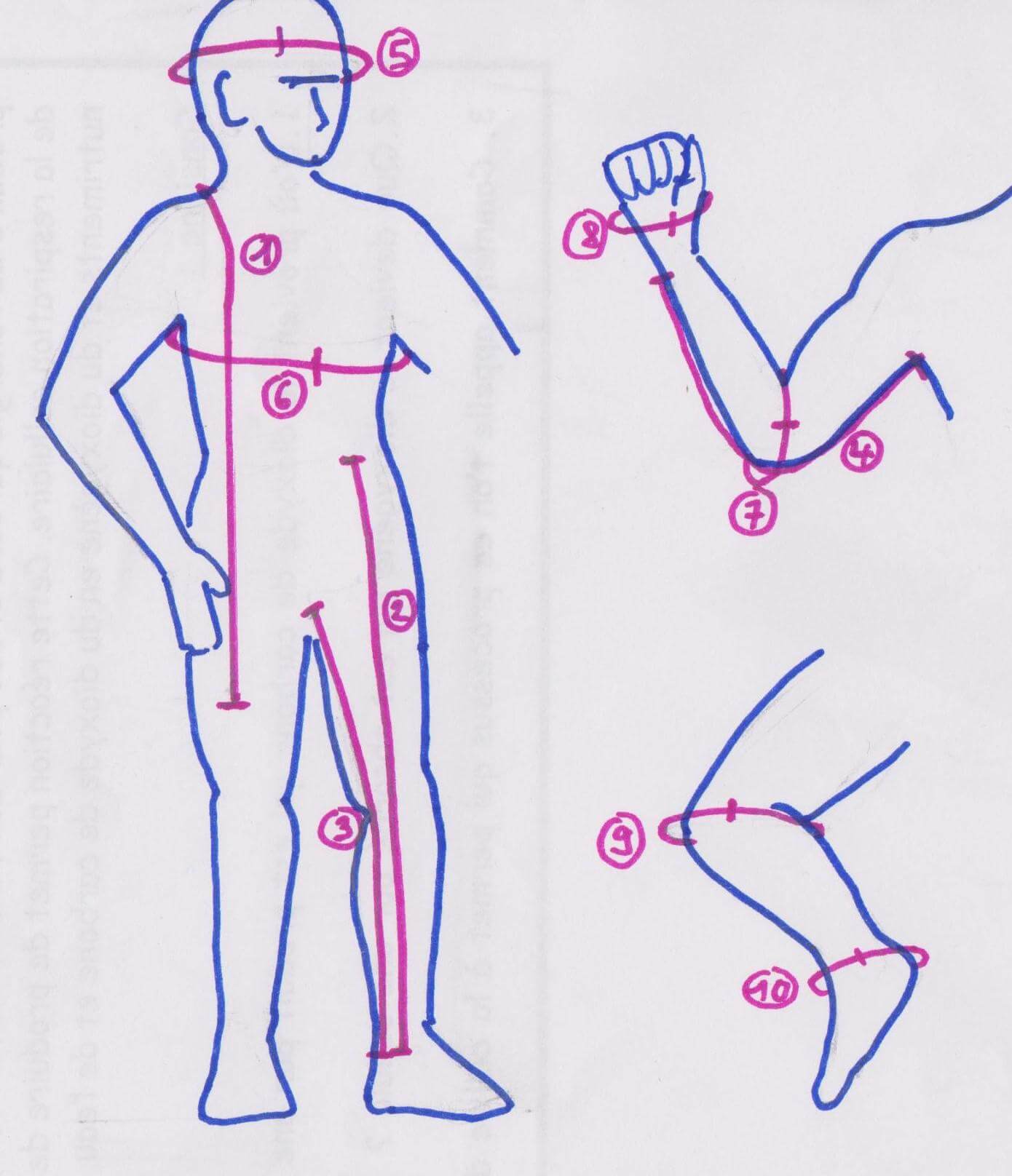
In the case of a combat suit, don't forget to take the measurements with the protective gear underneath. Also, when measuring your chest measurement, take a deep breath. A tunic that is too tight around the chest will restrict your breathing and reduce your physical performance. Similarly, elbow and knee measurements should be taken with the limb bent. Otherwise, you risk not being able to bend your leg or bend your elbow during the fight, which can be embarrassing.
Ideally, measurements should be taken with a tape measure, but a piece of (non-elastic) string works very well. Then simply measure it with a ruler.
- 1 tunic length
- 2 length of braids
- 3 crotch length
- 4 sleeve length
- 5 head circumference (minimum collar size)
- 6 chest circumference (minimum width of tunic)
- 7 elbow circumference (minimum sleeve width at the elbow)
- 8 hand circumference (minimum size of sleeve ends)
- 9 knee circumference (minimum width of braier legs at knee level)
- 10 foot circumference (minimum size of leg ends of braces)
The point:
Ideally, all the seams should be done by hand. However, to save time, the machine does the job just as well.
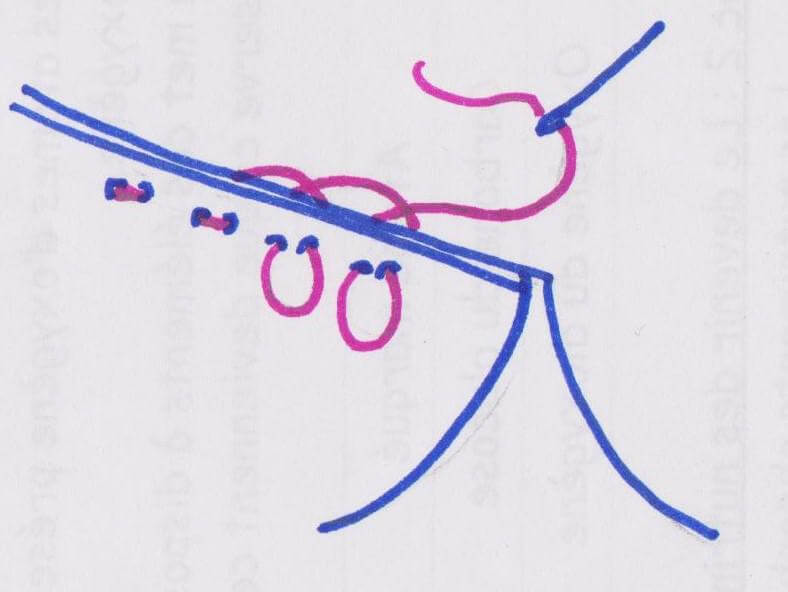
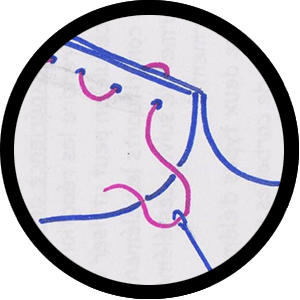
If you choose to sew by hand, two types of stitches can do the job:
Straight stitch. It's very quick to do but not very strong.
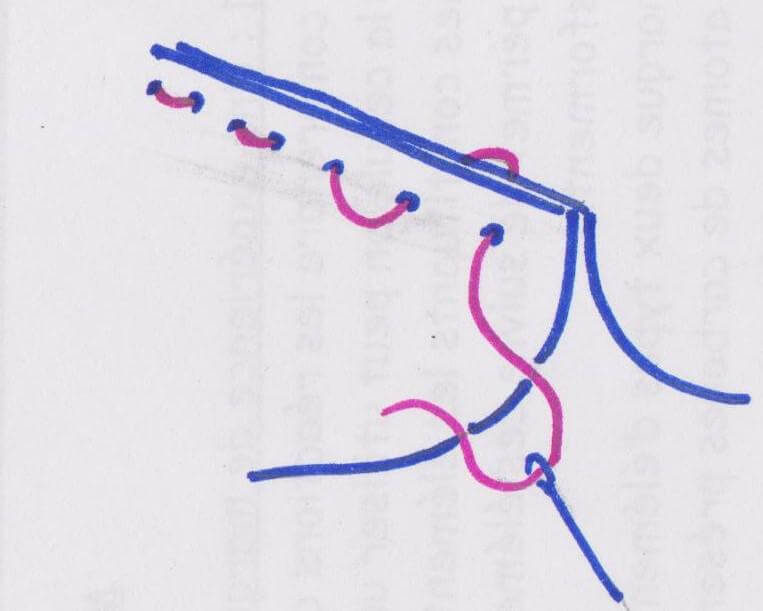
The reverse stitch. Not much longer to do but much stronger. In this case, the thread will be very visible on one side (so reserve it for the inside of the garment) and almost invisible on the other.